
History
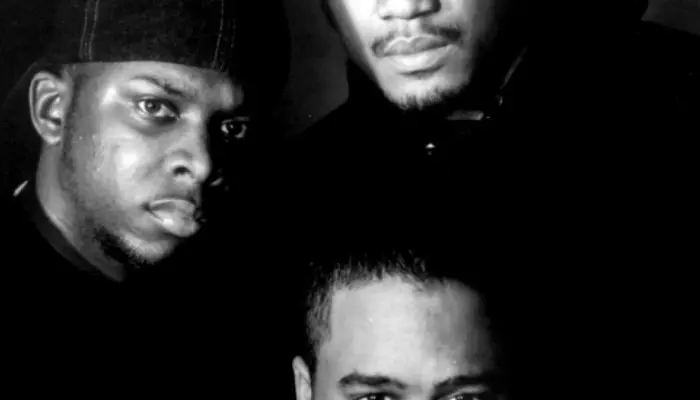
Formed in 1985 in St. Albans, Queens, New York, A Tribe Called Quest is recognized as one of the most influential and innovative acts in hip-hop history. The original lineup consisted of rapper and producer Q-Tip, rapper Phife Dawg, DJ and co-producer Ali Shaheed Muhammad, and rapper Jarobi White. As a core component of the Native Tongues collective, the group helped pioneer the alternative hip-hop movement, favoring socially conscious lyrics and eclectic sampling over the hardcore and gangsta rap styles that dominated the era.
Early Success and the Jazz-Rap Fusion
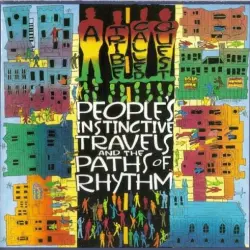
The group made an immediate impact with their 1990 debut, People's Instinctive Travels and the Paths of Rhythm. The album received a rare five-mic rating from The Source magazine, a first for the publication. This debut showcased the group’s playful lyricism and diverse musical palette, influencing future stars like Pharrell Williams and Scarface.
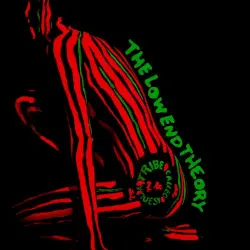
In 1991, A Tribe Called Quest released The Low End Theory, a landmark record that solidified the bridge between jazz and hip-hop. By incorporating double bassist Ron Carter and utilizing sophisticated bebop and hard bop samples, the group changed the landscape of hip-hop production. The album’s minimalist, bass-heavy sound was so influential that Dr. Dre cited it as a primary inspiration for the production of his own classic debut, The Chronic.
Commercial Peak and Disbandment
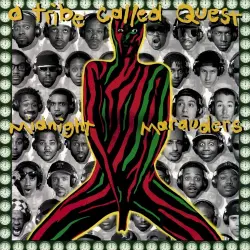
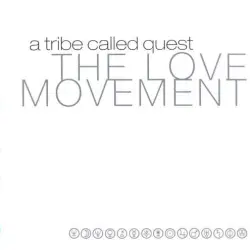
The group continued their critical and commercial winning streak with 1993's Midnight Marauders, which further refined their signature sound. Throughout the 1990s, the group was praised for the lyrical dynamic between Q-Tip’s philosophical, smooth delivery and Phife Dawg’s high-energy, "everyman" persona. They released two more albums during this decade: Beats, Rhymes and Life (1996) and The Love Movement (1998).
Shortly before the release of The Love Movement, the group announced their disbandment. Despite the split, their commercial legacy remained strong, with all six of their studio albums eventually earning gold or platinum certifications. The members pursued various solo projects and collaborations, with Q-Tip establishing a successful career as a solo artist and producer.
Reunion and Final Works
After several years of sporadic reunion performances starting in 2006, the group began work on a final studio project. During the recording process in March 2016, Phife Dawg passed away due to complications from diabetes. The remaining members completed the recordings, resulting in the release of We Got It from Here... Thank You 4 Your Service later that year. The album was a critical triumph, debuting at number one on the Billboard 200 and serving as a final tribute to Phife Dawg’s legacy.
Legacy and Cultural Impact
The influence of A Tribe Called Quest extends far beyond hip-hop. Critics have credited the group with laying the groundwork for the neo-soul movement, influencing artists such as D'Angelo, Erykah Badu, and Maxwell. Their artistic approach also paved the way for subsequent generations of rappers, including Kanye West, André 3000, and Talib Kweli. In 2011, their career was chronicled in the acclaimed documentary Beats, Rhymes & Life: The Travels of A Tribe Called Quest, directed by Michael Rapaport.